

Why Professional Irrigation Installation Matters
Irrigation is essential for any application that depends on controlled plant growth, including agriculture and landscaping. Among various methods, drip irrigation stands out for its ability to deliver water directly to the root zone with high efficiency and minimal losses. However, system performance is highly dependent on proper design and installation.
Professional installation ensures accurate hydraulic design, correct emitter selection, uniform pressure distribution, and appropriate zoning based on crop or landscape requirements. This results in optimal water use efficiency, reduced clogging and maintenance issues, and improved system longevity. In contrast, poorly installed systems often lead to uneven irrigation, higher operating costs, and reduced effectiveness, making professional expertise critical for reliable drip irrigation performance.
Understanding Irrigation Systems
What is an irrigation system?
An irrigation system is the set-up for irrigating a field, farm, greenhouse, orchard or garden efficiently. There is usually a main water source that supplies the plants via various irrigation systems.

What is an Irrigation System?
Sprinkler systems
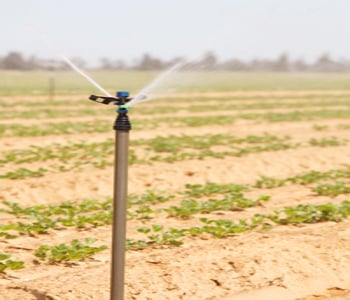
A sprinkler system is the best for field crops that are evenly but not too closely spaced together, leafy vegetables and spices, horticulture plantations, and to manage frost control in areas where low temperatures can damage the crops (manage temperature control in areas where high temperatures can damage the crops). Water is supplied to the sprinklers and distributed to plants at a consistent rate.
Drip irrigation
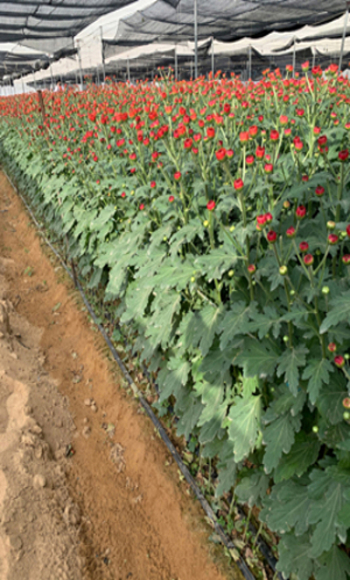
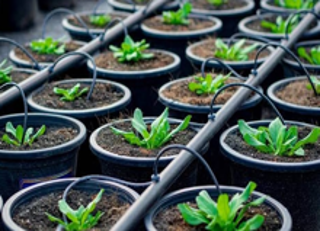
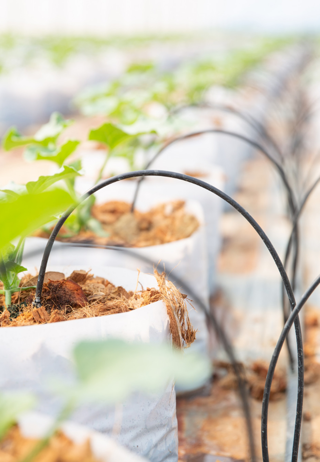
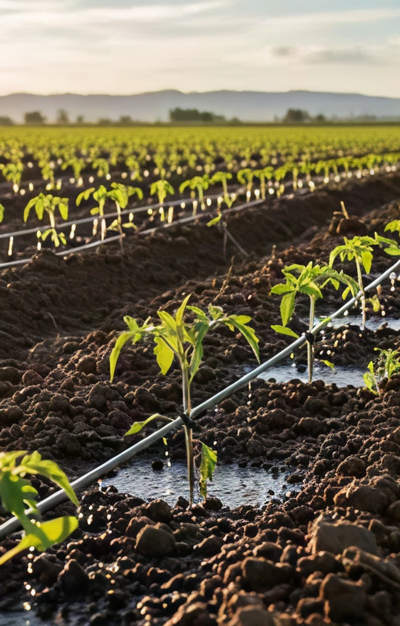
Drip irrigation is a micro-irrigation method in which water is applied in the form of controlled droplets directly to the root zone of plants through a network of pipes, valves, and emitters. This system minimizes evaporation and runoff losses while maintaining optimal soil moisture conditions.
Drip irrigation is particularly well suited for row crops, orchards, and high-value horticultural crops with varied growth and harvest cycles. By delivering water precisely where and when it is needed, it improves water use efficiency, enhances nutrient uptake (when integrated with fertigation), and reduces weed growth and disease incidence.
As a result, drip irrigation significantly increases crop yield and quality, while reducing input costs and resource wastage, making it a highly effective solution for both agriculture and horticulture sectors.
Smart irrigation systems
Smart irrigation systems integrate digital automation with sprinkler or drip irrigation by using sensors, controllers, and software-driven scheduling. These systems can be remotely monitored and controlled through mobile applications, enabling farmers or end-users to manage irrigation in real time. This improves operational efficiency, ensures precise water application, and reduces manual intervention.
Importance of proper system selection
Poor design leading to uneven watering - If you yourself try to install the irrigation system, whether that be a drip irrigation system or a sprinkler one, or engage workers who do not have the Proper knowledge to install the system, then there is a very high chance that the installed system may fail or not function as expected within a short period of time. Since irrigation requirements vary based on soil type, crop type, climate conditions, and growth stage, even premium products whether manufactured by Netafim or other suppliers may not perform effectively unless the system is properly designed and professionally installed. Improper installation can lead to inefficient water distribution and suboptimal plant growth, ultimately affecting crop health and yield.
Water waste and higher utility bills - Since the system will not be installed properly, the huge rate of lowering your energy and water bills will no longer be in effect. You will end up using much more water and energy to irrigate your entire farm, garden, or orchard because the water is not behaving as it should in a properly designed irrigation system.
Incorrect pipe placement or pressure issues - You might end up using parts and pipes that are not compatible with the kind of irrigation nd pressure that you have to contend with when irrigating your field or orchard. Incorrect pipe placement may cause your emitters to Clogged more easily, slow water flow due to friction, or even prevent them from holding water properly, because the connecting Valves and pipes are poorly designed.
Potential damage to the landscape or property - If you are using a drip irrigation system with sub-surface piping and associated elements, if the parts are not connected properly, the setup will, in fact, harm your field or orchard. You will have dug up lines and hacked into the roots of the plants or trees you are trying to grow because you or your workers are not experts enough to know for sure. The chance of mistakes in DIY increases exponentially.
Time and effort involved in trial-and-error - While you might have the patience to work things out by trial and error, your plants won't survive your experimentation for long. The time and effort you will put in during this so-called ‘learning process’ to do it by yourself can never be recovered, and your plants or trees will suffer as a result. In the worst case, you might lose the whole harvest while trying to work the system yourself.
Benefits of Professional Irrigation Installation
Customised System Design
- Tailored to soil type, plant needs, and landscape layout - The experts will know to address issues of soil type in conjunction with plants' needs and layout specifics. They will know how to get water up a slope or in a hilly area, or whether an orchard needs surface or subsurface piping. The best way to get customised systems is to hire a professional.
- Variations in terrain—such as uneven land, hilly regions, or sloped fields—pose challenges for uniform irrigation. Professional expertise ensures proper system design with well-defined irrigation zones based on elevation, soil conditions, and crop requirements. This enables balanced pressure distribution, uniform water application, and complete coverage across the entire field, eliminating under- or over-irrigation.
Water Efficiency and Cost Savings
- Reduced water waste - Proper design & professional installation of an irrigation system significantly minimize water losses by ensuring precise application and uniform distribution. This leads to improved water use efficiency & reduces wastage in farming operations.
- Lower monthly water bills - This low water wastage means that you will be able avail lower monthly & even energy water bills. If your water comes from a government-sanctioned source, you have to pay monthly dues based on how much you use. Having a water source in your area means pumping the water out in proper amounts.
- Environmentally responsible usage - Using only the amount of water required and engaging in no water wastage is the environmentally responsible thing to do as we continue to experience water scarcity and decreasing groundwater levels.
Proper Installation and Equipment
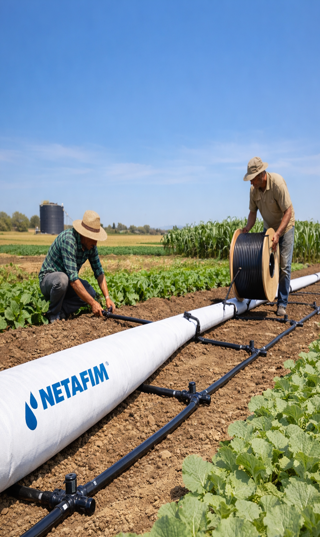
- Use of high-quality materials - A proper installation team will know the best products and materials in the industry and will use only those with a longer life span and capability. They will buy the products from Netafim or engage the installation teams it offers with the purchase of its irrigation system, drippers, emitters, flexible pipes, etc. Netafim products are compatible with each other, makes it more likely to buy together.
- Correct pressure regulation and pipe layout - The expert installation team will know all about the correct pressure regulation and how the layout is best made based on the materials, slope and soil of the farm to provide even irrigation to each plant or tree.
- Avoidance of leaks and future repairs - Since experts will be setting up the installation, they will know all the pitfalls to avoid, which will lead to fewer chances of leaks and fewer future requirements.
Time-Saving and Convenience
Quick and efficient setup - An expert team will know what to do first and how to do it quickly. They will set up things to make for a quick, easy installation.
No guesswork or repeated fixes - Given their expertise, they will be able to do everything in record time without making any mistakes, without having to redo parts, or even having to keep going over the design to ensure efficiency.
Integration with Smart Technology
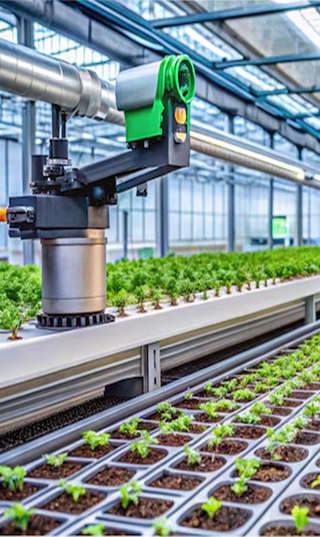
- Automated scheduling - An expert installation team will not only be able to set up the system fit for running, but also set it up with automated scheduling so that you can manage the irrigation right from your house. With additional monitors and sensors, you will be able to get an accurate reading of how much water your plants need and ensure they get it.
- Weather-based adjustments - Having automated scheduling power also means that should it rain or other weather happen, you will be able to shut the irrigation system off, as the plants or trees will have already gotten the water they require from the rain.
- Remote control via apps - There are a few apps wherein you can keep track of your water, your plants, the water efficiency, and whether the plants are experiencing any stress. Having this data at your fingertips will enable you to use your irrigation system of choice proficiently.
Long-Term Value and Maintenance
Reduced need for frequent repairs - Since the setup will be done by professionals, who will decide upon the setup only after they have viewed the site, they will be able to foresee any problems that can crop up later. They will make adjustments to reduce those and set up the system such that there will be a reduced need for frequent repairs.
Seasonal maintenance support - With every harvest time, with the gathering of the fruits, seeds and vegetables, certain adjustments may need to be made for the next cycle. The installation teams at Netafim can offer seasonal maintenance support, which will be best, as they are the installation team and know the irrigation system layout well.
System upgrades and scalability - Having the professionals install the irrigation system will enable you to be aware of any system upgrades that they can offer, and even have a say about the scalability of your farming. For example, if you want to plant only half of your land one year, you can arrange for the system to be diverted to the areas you are growing.
Increased property value - A system installed by a professional team means that there is no need to dig up drains or trenches to manage the water. So the land retains its property value and even appreciates over the years.
Knowledge of local codes and regulations
An expert installation team will be aware of any law or regulation that must be followed in an area for the installation of an irrigation system. If the main water source is communal, they will know how to make things work better, as they have the knowledge and experience.
Proper backflow prevention
Professional irrigation system installers will be able to place the overall layout and maintain the function of the system with the least amount of backflow possibilities. Whether the area is sloped, elevated, hilly or otherwise, they will know to work the land in their favour.
Safe installation practices
A professional irrigation installation team will be privy to all the safe installation practices and take the necessary precautions while installing the system. They will have the proper gear and clothing required, as that is part of their job. A farmer installing it on their own may not even be aware of where such things may be required.
When to Call a Professional
Signs your current system needs replacement - If you have a prior irrigation system installed and it has already worked for a few years, then you might be in need of a new system replacement. The clogging has got much worse with use, and the pipes are more restrictive due to buildup. That is when you call the professionals to handle the issue and replace everything properly and in record time.
New projects - You may have bought new land or farming areas and now need another system to manage the new space. If you already have an irrigation system installed in your previous farm or garden, you must be well aware that having knowledgeable professionals handle it is the best option.
Persistent watering issues - If the irrigation is no longer working on schedule and the system has degraded over the years, and other methods of irrigation have not worked as well, then engaging a professional irrigation system installation team is your best bet. They will be able to pinpoint where the problem is actually occurring and offer working solutions.
Conclusion :
If you are planning to install a new irrigation system, professional installation is critical to ensure optimal performance. Qualified experts execute the installation with precision, adhering to proper hydraulic design, accurate component placement, and system calibration, thereby minimizing errors and eliminating the need for rework. They also configure the system for long-term reliability, durability, and operational efficiency.
This approach not only protects your capital investment but also enhances overall system efficiency and performance. Even when using high-quality products from reputable manufacturers such as Netafim, improper installation can significantly reduce effectiveness. Therefore, professional installation is essential to fully realize the benefits of advanced irrigation systems and to ensure consistent, efficient water management for your farm or landscape.


COMMENTS
We'd love to hear your thoughts! To enter a comment, type your name and email address.